
Flowering Pear Tree (Pyrus calleryana)

Updated: Mar 17

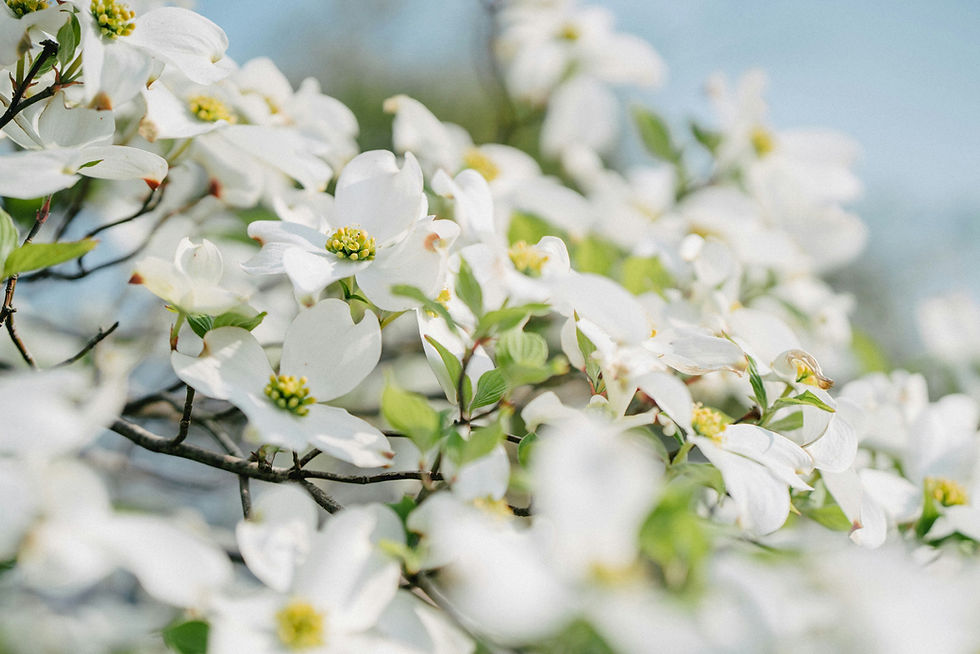
I have been pondering what I could possibly write about for my very first blog post and have been at a loss. As I bounced ideas around both in my head and off of my husband, I found myself admiring the incredible cotton-like blossoms scattered around town and decided that there is no better way to open this blog than spotlighting one of my favorite ornamental trees: the flowering pear (Pyrus calleryana)!
I am personally a big fan of any of the flowering fruit tree varieties, but flowering pear specifically is one my favorites. Not to be confused with your typical fruiting pear, this tree has been bred NOT to produce fruit (although they are known to produce a few small and inedible fruits as they age) and instead boast an abundance of Spring blossoms.
What does the flowering pear tree “do”?

There are several varieties to choose from but they are all generally known to grow to roughly 30-50ft tall and 20-30ft wide, with some slight differences between varieties. The most iconic moment for these trees is, of course, their incredible blossoms in the Spring time. They are early to bloom and seem to signal the imminent seasonal change with their burst of flowers and foliage to follow. Not to be minimized, though, is their attraction during the fall season. These trees put on a lovely fall show with an array of red, orange, and purple foliage before dropping their leaves for the winter.
What are the drawbacks to flowering pear trees?
Some people do notice an unpleasant odor coming from the flowering pear’s blossoms, which may be a deterrent to those wanting to plant this tree in their yard. It is sometimes described as being akin to the smell of rotting flesh (yuck). I only notice the smell from very up close, but this may vary from person to person. Some are more sensitive to the scent than others. While there may be benefits to enjoying this tree from a distance, I still believe it can be a really incredible addition to any landscape.

Does this tree do well in our area?
Yes! These trees grow very well in our climate, requiring full sun (ideally 6-8 hours per day). They are adaptable to different soil types but will flourish with a little extra attention during planting. I recommend that you use typical planting practices (make sure soil drains effectively, plant in a hole equally as deep as the nursery pot and roughly twice as wide to ensure soft enough soil for root expansion) and depending on your soil quality include some extra compost or amendment during planting.
Conclusion
These trees can be spotted all throughout the greater Sonora area, with some beautiful established trees in full bloom downtown Sonora as I write this. Now that you know all about Pyrus calleryana, see how many you can spot next time you go out!

Comments