
Blue Elderberry (Sambucus cerulea)


I think at this point everyone has heard of this hip and magical fruit - elderberry! Often used as a holistic medicine during flu season, this berry’s syrup can be seen on the shelves of most health food stores. While you may have seen its products in stores, you likely have also seen this plant out in our local wilderness! The Blue Elderberry (Sambucus cerulea) is native right here in our backyard all over the Sierra Foothills.
What does blue elderberry “do”?
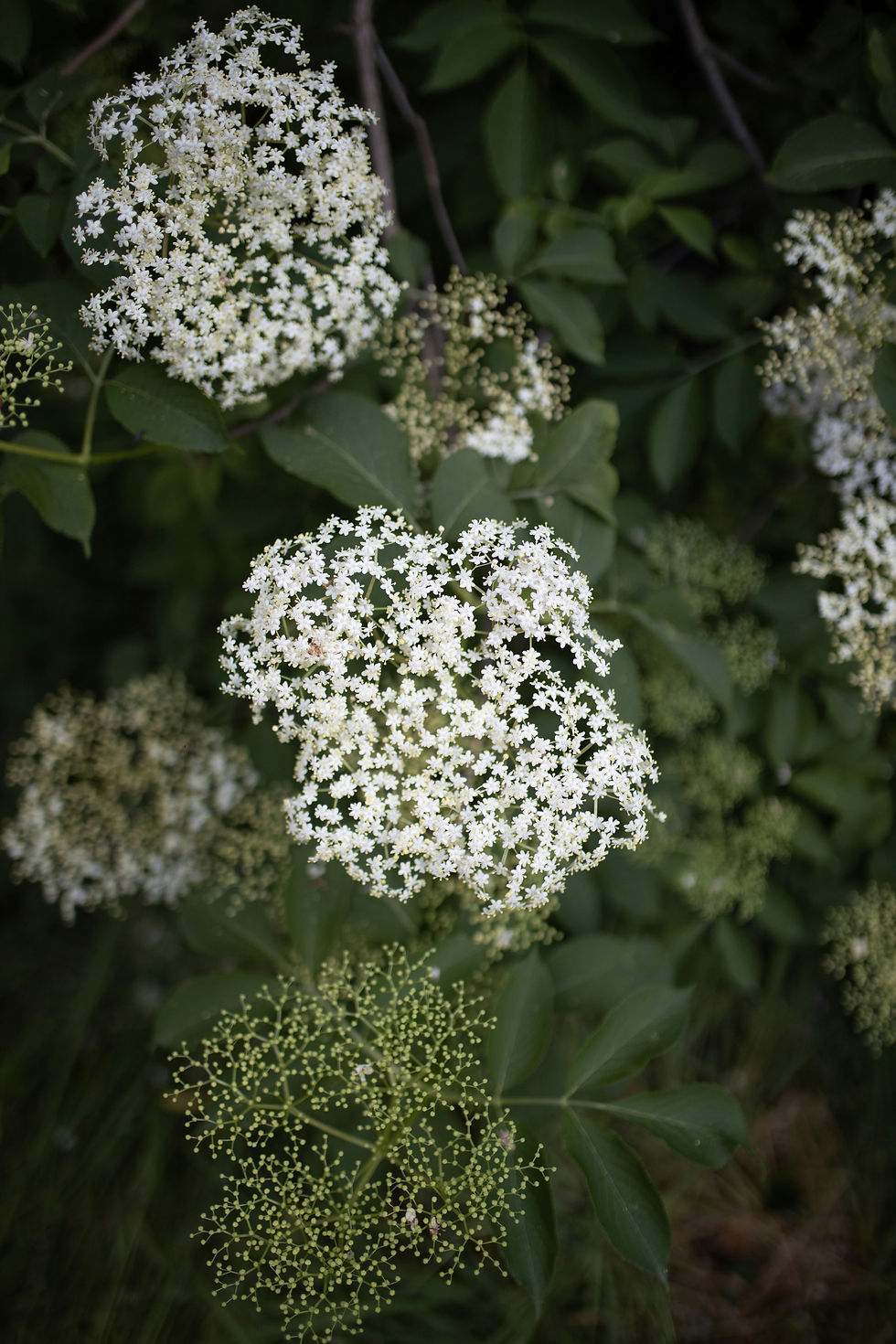
The Blue Elderberry is the perfect addition to any Sonora garden, as it produces nutrient-packed berries and also acts as a native pollinator attraction. This hardy shrub prefers full sun but can still thrive in partial or full shade, and typically grows anywhere from 10-20 feet tall and wide. It blooms from early Spring to late Summer, with fruit following from mid Summer through the fall. This plant’s large cream colored spring flowers attract pollinators like bees and butterflies, and the berries produced will nourish birds and other animals if not harvested for personal use.
How should you consume them?
While these berries are packed with all sorts of vitamins and nutrients, they also contain alkaloids called hydrocyanic acid and sambucine which will cause violent illness if consumed raw. Cooking the berries thoroughly (boiling or simmering for at least 10-30 minutes) neutralizes these toxic compounds. The berries can be made into many types of goodies, but are most commonly cooked into a syrup that is used as a medicinal remedy for cold and flus. There have even been studies done that confirm the effectiveness of this herbal remedy!
Who does it benefit?
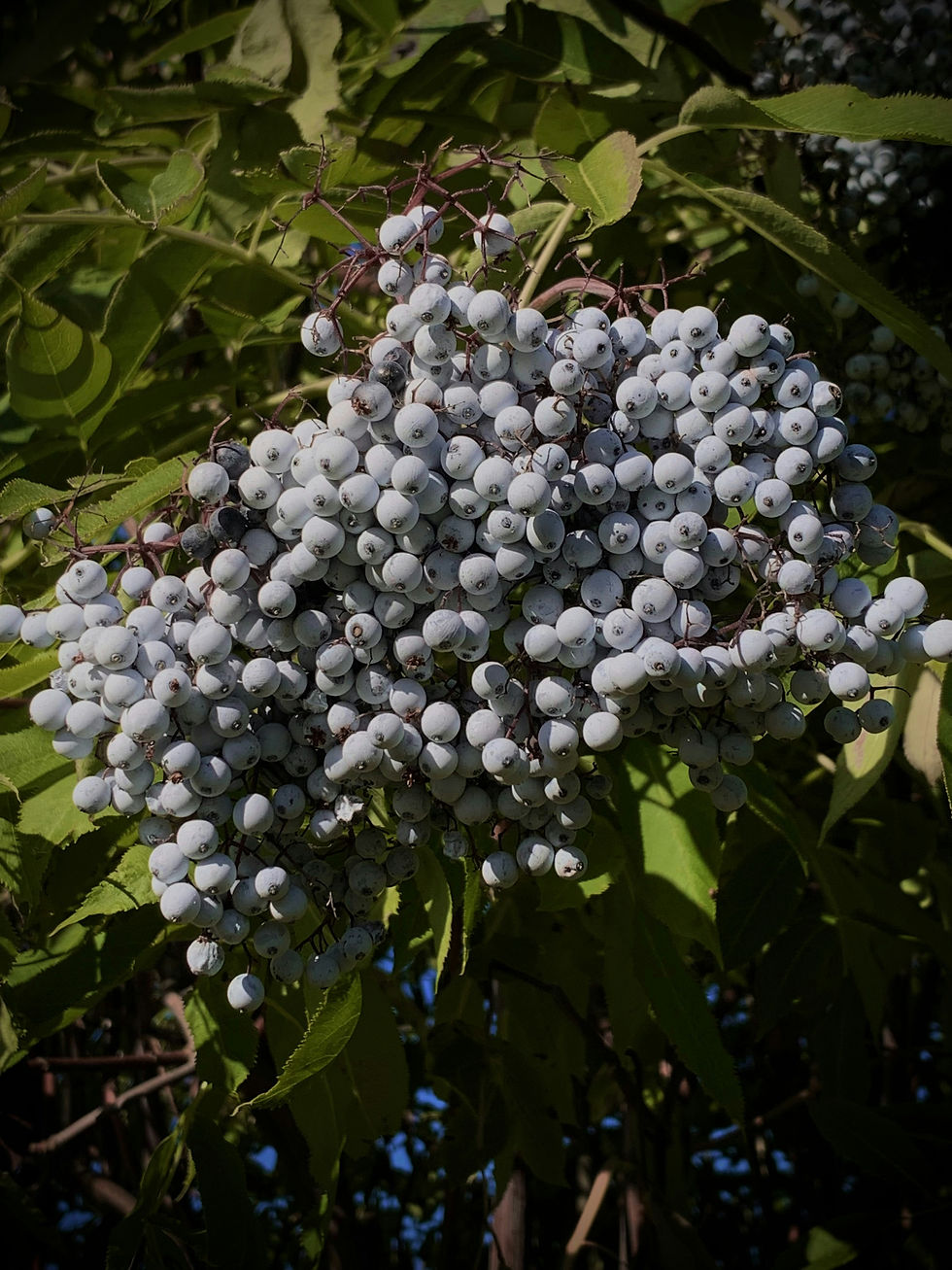
Not only is this plant beautiful when used in a landscape, it's also a great way to give back to our local wildlife. Bats, bees, butterflies, and more than 40 species of songbirds are benefited by this plant (not to mention squirrels and other mammals)! But be warned - the deer enjoy this plant as much as the songbirds do, so it will require protection if your neighborhood deer have access to the area.
Conclusion
Two things I will always recommend incorporating into your landscape are edible plants and California natives … and this plant fits the bill for both! With its beauty, versatility, hardiness, and nourishing components this plant is a sure hit for your space.

Comments